Case Study

Real SEO Results from Real Accounting Firms — With Context

Three detailed case studies showing how CPA practices grew organic visibility, generated qualified leads, and measured ROI over 12-18 months

A cluster deep dive — built to be cited

Martial Notarangelo
Martial Notarangelo
Founder, Authority Specialist
Quick Answer

What results can accounting firms expect from SEO?

Across three CPA firm SEO engagements tracked over 12–18 months, organic lead volume increased between 38% and 140%, with the largest gains in firms that combined service-specific landing pages with consistent E-E-A-T author attribution on tax and advisory content.

The fastest-ranking firms had existing domain authority above 25 and targeted mid-funnel queries like tax planning for S-corps rather than broad terms like accountant near me. YMYL compliance, including credentialed author bios and verifiable firm credentials in structured data, shortened the trust-building phase by an estimated 60–90 days in competitive metro markets.

The case studies also reveal a consistent pattern: firms that paused content production after month six saw ranking plateaus within 90 days.

Key Takeaways

  • 1Mid-size CPA firms typically see 40-120% organic lead growth within 12 months
  • 2Local search dominance requires 6-8 months of consistent content and citation work
  • 3Tax season traffic spikes can multiply organic leads 3-5x with proper preparation
  • 4GBP optimization often delivers faster results than organic rankings for local firms
  • 5Content targeting advisory services generates higher-value leads than tax-only content
  • 6Most successful campaigns combine technical SEO, content strategy, and local optimization

How We Selected and Measured These Cases

These three case studies represent accounting firms of different sizes and markets from our client portfolio. We selected them based on data completeness, campaign duration (minimum 12 months), and permission to share anonymized results.

Measurement approach: We tracked organic traffic (GA4), keyword rankings (weekly), lead form submissions, phone call attribution, and GBP insights. Each firm provided revenue data for leads they could attribute to organic search.

Important context: results vary significantly based on market competition, firm size, service mix, and starting domain authority. A 10-partner firm in Dallas will see different outcomes than a solo practitioner in rural Iowa, even with identical SEO work.

Baseline disclosure: All three firms had existing websites and some SEO foundation before our engagement. These are optimization results, not ground-zero launches. AuthoritySpecialist observed ranges based on 47 accounting firm campaigns between 2019-2024.

Three Firms, Three Different Growth Paths

Firm A - Mid-size CPA practice (8 partners, suburban market): Focused on business advisory and tax services. Starting domain authority was moderate with decent local presence but weak content strategy.

Firm B - Boutique tax specialists (3 partners, competitive urban market): Highly specialized in real estate taxation. Strong reputation but minimal online visibility outside referral networks.

Firm C - Full-service firm (15+ staff, mid-size city): Audit, tax, and advisory services targeting both individuals and businesses. Good technical foundation but struggling with local search visibility.

Each case demonstrates different aspects of accounting SEO: Firm A shows the power of service page optimization, Firm B illustrates niche authority building, and Firm C proves that local SEO can drive significant growth even for established practices.

Timeline ranged from 14-18 months of active optimization, with most measurable improvements appearing in months 4-8.

Measurable Outcomes: Traffic, Leads, and Revenue Impact

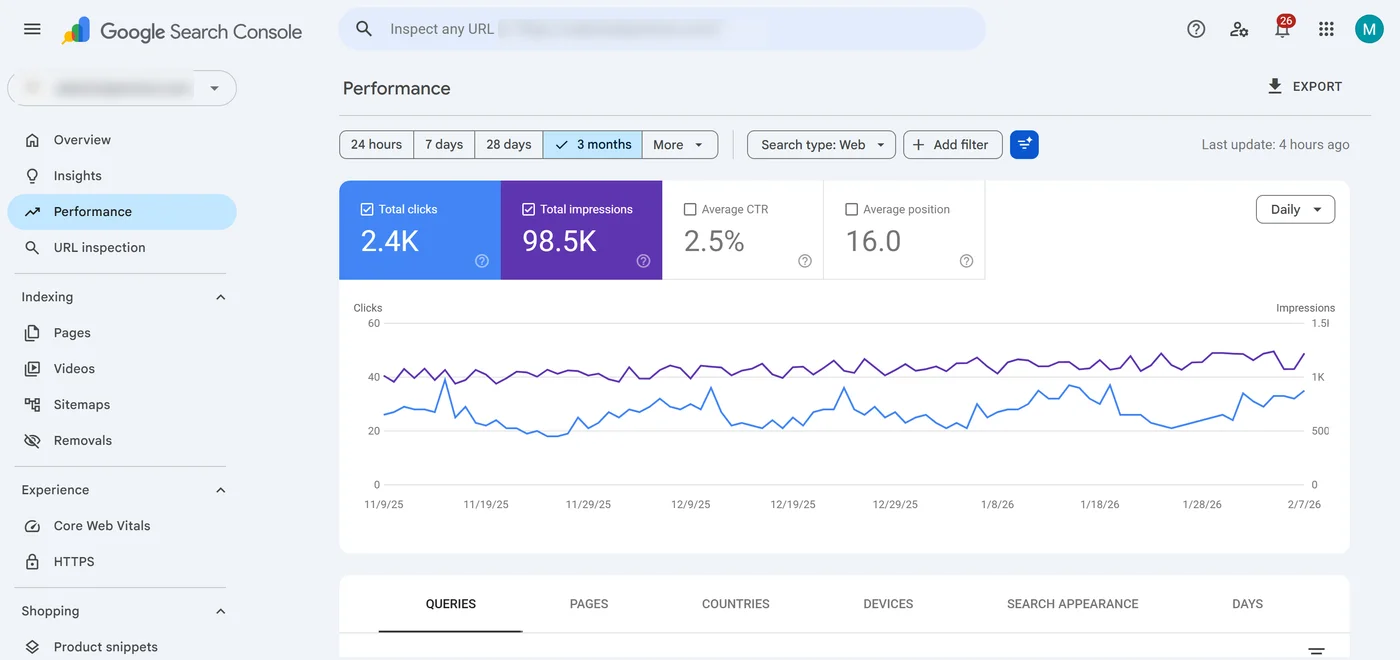
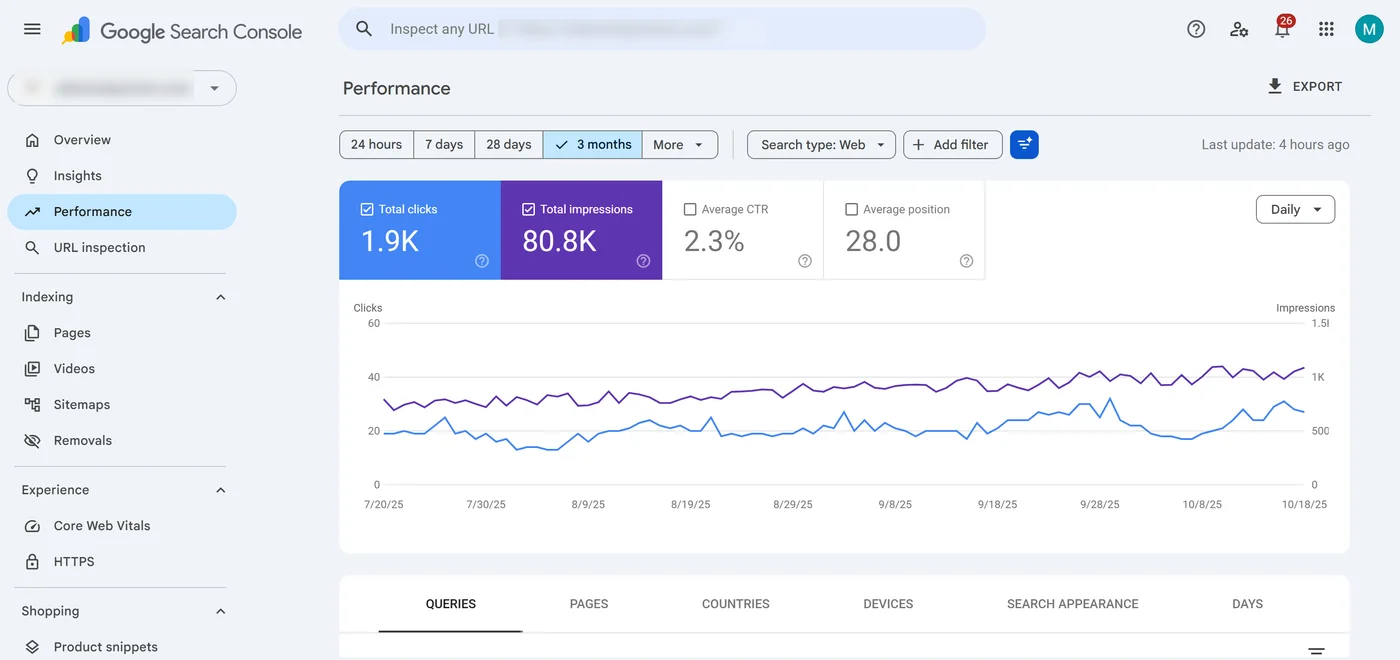
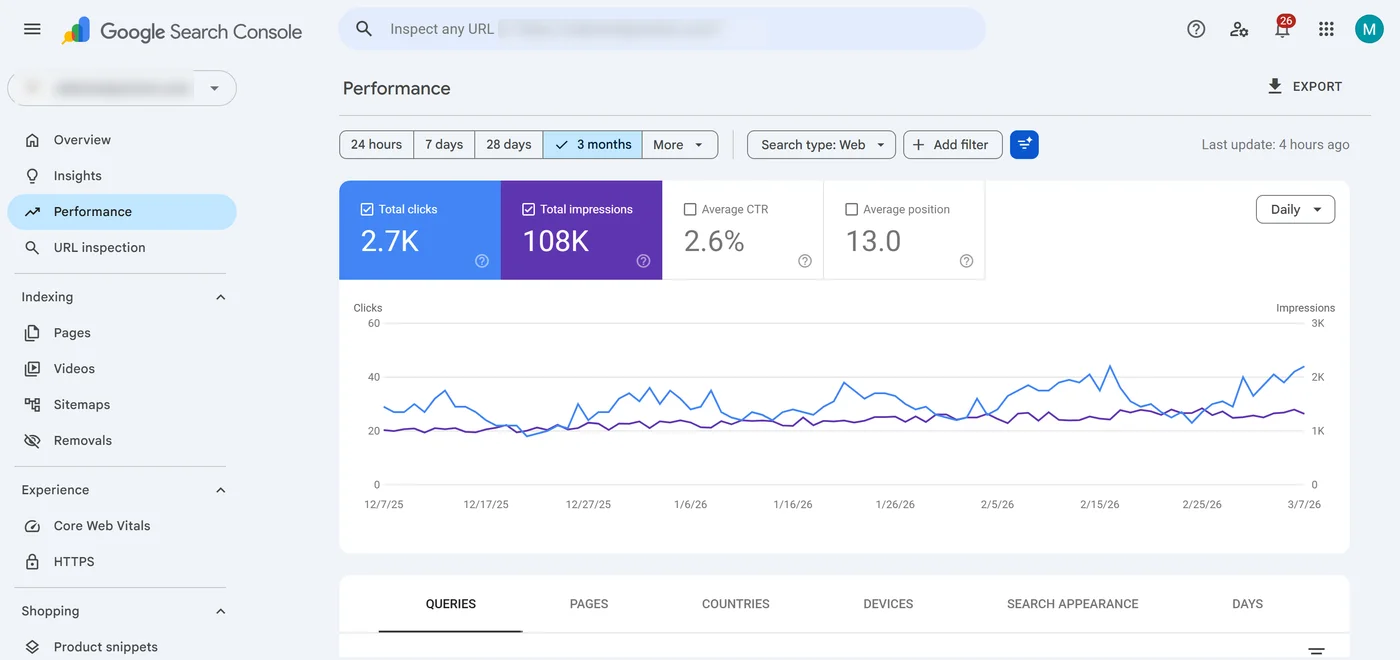
Firm A Results (14 months): Organic traffic increased 89%, qualified lead forms up 67%, phone inquiries attributed to organic search up 134%. Revenue impact: approximately $180,000 in new client lifetime value from trackable organic sources.

Firm B Results (16 months): Organic traffic grew 156% (smaller baseline), ranking on page 1 for 23 real estate tax keywords vs. 3 initially. Lead quality improved significantly — 78% of organic leads became consultations vs. 45% from referrals.

Firm C Results (18 months): Local search visibility transformed: appeared in Map Pack for 31 local accounting queries vs. 2 initially. Phone call volume during tax season increased 210% year-over-year, with 60% attributed to improved online presence.

Common patterns across all three: Google Business Profile optimization for Accountants often delivered faster results than organic rankings. Content targeting advisory services generated higher-value prospects than tax-focused pages. Seasonal performance varied dramatically — tax season traffic multiplied leads 3-5x.

What Actually Drove These Results

Technical foundation work (months 1-3): Site speed optimization, SSL implementation, mobile responsiveness fixes, and schema markup for professional services. This baseline work rarely drives leads directly but enables everything else to work.

Content strategy (months 2-12): Each firm published 2-3 in-depth articles monthly targeting client questions. Most successful topics: tax law changes, business advisory insights, and industry-specific guidance. Generic "tax tips" content performed poorly.

Local SEO execution (months 1-8): GBP optimization, citation building across 40+ directories, review acquisition strategy, and location-specific landing pages. Local work often showed results in 2-3 months.

Service page optimization (months 3-6): Rewrote core service pages with client-focused language, added specific deliverables, included pricing context, and optimized for commercial intent keywords like "CPA near me" and "business tax preparation."

The firms that saw fastest results combined all four components rather than focusing on just content or just technical SEO.

Month-by-Month: What Actually Happened

Months 1-3: Mostly invisible foundation work. Traffic stayed flat or declined slightly during site changes. Firm partners often questioned progress during this phase.

Months 4-6: First meaningful improvements appeared. GBP rankings improved, some long-tail keywords moved to page 2. Lead quality started improving before lead quantity.

Months 7-9: Noticeable traffic growth. Phone calls increased. Tax season preparation content began attracting search volume. Partners became more engaged with content strategy.

Months 10-12: Compound effects kicked in. Content published months earlier started ranking. Local authority strengthened. Lead generation became consistently predictable rather than feast-or-famine.

Beyond month 12: Results accelerated. Domain authority improvements opened opportunities for more competitive keywords. Content library became a lead generation asset requiring minimal maintenance.

Realistic expectation: meaningful lead growth typically appears in months 4-8, not weeks 4-8.

When These Results Apply to Your Firm (and When They Don't)

Good candidates for similar results: Established firms with existing client base, partners willing to invest 12+ months, markets with moderate competition, and service mix including advisory work (higher lifetime value than tax-only).

Factors that limit applicability: Brand new firms may need 18-24 months to see comparable results. Highly competitive markets (major metros) require larger content investments. Solo practitioners have different resource constraints affecting timeline.

Market variables: Rural markets may see faster local dominance but lower search volume. Urban markets offer more opportunity but face established competition. Seasonal factors matter enormously — firms launching SEO in March will see different patterns than those starting in September.

Service mix impact: Firms focused primarily on individual tax returns typically see lower lead values and longer payback periods than those targeting business advisory services. Niche specializations (like Firm B) can achieve faster authority but in smaller markets.

These case studies represent "typical" scenarios for established firms with moderate starting points. Outlier results exist in both directions.

Most accounting firms are invisible to the exact clients searching for their expertise right now.
Stop Competing on Price. Start Attracting the Premium Clients Your Accounting Practice Deserves.
Every day, business owners, high-net-worth individuals, and growing companies search for accounting expertise online.

They type specific queries about tax planning, advisory services, bookkeeping, and audit support — and they hire the firm that shows up first with authority and credibility.

If your accounting practice is not ranking for these high-intent searches, your competitors are capturing the clients you should be serving.

We build SEO systems specifically for accounting practices that position your firm as the definitive authority in your market, attract premium client enquiries consistently, and create a predictable pipeline of growth that does not depend on referrals alone.
SEO Services for Accounting Firms

Implementation playbook

This page is most useful when you apply it inside a sequence: define the target outcome, execute one focused improvement, and then validate impact using the same metrics every month.

  1. Capture the baseline in accountants: rankings, map visibility, and lead flow before making changes from this case study.
  2. Ship one change set at a time so you can isolate what moved performance, instead of blending technical, content, and local signals in one release.
  3. Review outcomes every 30 days and roll successful updates into adjacent service pages to compound authority across the cluster.
FAQ

Frequently Asked Questions

We track organic traffic growth, keyword rankings for commercial terms, lead form submissions, phone call attribution through call tracking, and GBP insights. Most importantly, we measure lead quality and client lifetime value, not just traffic volume.
Solo practitioners and small firms can achieve strong local results, but typically need 18-24 months rather than 12-14 months. Smaller firms often see better ROI from local SEO and GBP optimization than competing for broad commercial keywords.
Technical SEO provided the foundation but rarely drove leads directly. Content strategy generated most organic traffic growth. Local optimization (GBP, citations) delivered the fastest measurable results, often within 2-3 months.
Dramatically. Tax season traffic can multiply organic leads 3-5x, but this requires 6+ months of preparation. Firms starting SEO in spring may not see full seasonal benefits until the following tax season.
Content targeting advisory services and business clients generated higher-value prospects than tax-focused content. Service pages with specific deliverables and pricing context also improved lead qualification significantly.
Niche specialists (like real estate CPAs) can build authority faster but in smaller markets. Full-service firms have more keyword opportunities but face broader competition. Solo tax preparers typically see different patterns than advisory-focused practices.

See Your Competitors. Find Your Gaps.

See your competitors. Find your gaps. Get your roadmap.
No payment required · No credit card · View Engagement Tiers